Construction Project Management Logbook: A Comprehensive Guide
Understanding the Construction Project Management Logbook
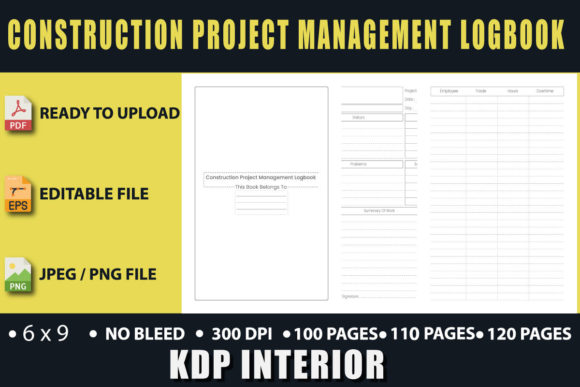
The Construction Project Management Logbook is a specialized tool designed to help construction project managers, site supervisors, and other stakeholders keep track of daily activities, tasks, and progress. This logbook is an essential resource for maintaining organized and efficient project management. It typically includes sections for noting down daily tasks, tracking progress, recording issues, and documenting communications.
Why Consider a Construction Project Management Logbook?
There are several compelling reasons why professionals in the construction industry might be interested in using a Construction Project Management Logbook:
- Enhanced Organization: It helps in keeping all project-related information in one place, making it easier to manage and reference.
- Better Communication: Clear and consistent documentation can improve communication among team members and with clients.
- Improved Accountability: Regular updates and detailed records can help in holding team members accountable for their responsibilities.
- Efficient Problem Solving: Documenting issues and their resolutions can provide valuable insights for future projects.
Benefits and Tradeoffs
The Construction Project Management Logbook offers numerous benefits, but it's also important to consider potential tradeoffs:
Benefits
- Streamlined Documentation: Simplifies the process of documenting daily activities and project milestones.
- Time Management: Helps in planning and allocating time effectively, leading to more productive workdays.
- Professionalism: Using a structured logbook can enhance the professional image of the project manager and the entire team.
Tradeoffs
- Initial Setup Time: Setting up and customizing the logbook can require some initial effort and time.
- Maintenance Effort: Regular and consistent updates are necessary to keep the logbook useful and relevant.
- Cost Considerations: While the logbook itself is a cost-effective solution, additional printing or customization costs may apply.
Situations Where It May Be a Strong Fit
A Construction Project Management Logbook is particularly well-suited for the following scenarios:
- Complex Projects: For large-scale or complex projects where multiple tasks and teams need to be coordinated.
- Remote Sites: In situations where the project site is remote and reliable digital tools are not available.
- Regulatory Compliance: When there is a need to maintain detailed records for regulatory and compliance purposes.
Alternatives Worth Considering
While the Construction Project Management Logbook is a robust solution, there are alternative options that might be worth considering based on specific needs:
- Digital Tools: Software solutions like Asana, Trello, or Microsoft Project can offer more advanced features such as real-time collaboration and automated reporting.
- Customized Solutions: Tailoring a logbook or using a combination of digital and paper-based tools can provide a more personalized approach.
- Integrated Systems: Some construction companies use integrated project management systems that include logbook functionalities along with other project management tools.
Practical Decision-Making Insights
When deciding whether a Construction Project Management Logbook is the right choice for your needs, consider the following:
- Project Complexity: Assess the complexity of your project and the level of detail required for documentation.
- Team Size and Structure: Consider the size and structure of your team and how the logbook will be used by different members.
- Technology Availability: Evaluate the availability and reliability of technology at the project site, and whether a paper-based or digital solution is more practical.
- Budget and Resources: Determine the budget and resources available for implementing and maintaining the logbook.
Conclusion
The Construction Project Management Logbook is a versatile and effective tool for managing construction projects. By providing a structured way to document and track project activities, it can significantly enhance organization, communication, and accountability. However, it's important to carefully consider the specific needs of your project and team to determine if this solution aligns with your goals and requirements. Whether you choose a traditional logbook or explore alternative options, the key is to find a system that supports efficient and effective project management.