Evaluating the Bee Keeper Logbook KDP Interior for Publishing and Personal Use
The niche publishing market on Amazon KDP has matured significantly, moving beyond generic lined journals toward specialized, functional tools designed for specific hobbies and professions. Within this landscape, the Bee Keeper Logbook interior represents a targeted asset for both self-publishers seeking viable low-content book ideas and apiarists requiring structured data tracking. This resource is not merely a notebook; it is a pre-formatted system designed to address the specific record-keeping needs of beekeeping while simultaneously serving as a ready-to-upload product for digital entrepreneurs. Understanding the dual utility of this logbook requires examining its technical specifications, practical application in the field, and its viability as a commercial publishing asset.
Functional Design and Practical Utility
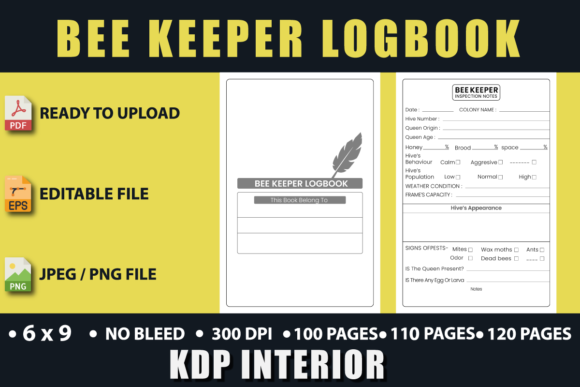
For a logbook to be useful in apiculture, it must transcend simple note-taking. Beekeeping relies heavily on pattern recognition and historical data. The Bee Keeper Logbook interior is structured to capture the metrics that actually matter to hive health and productivity. Rather than offering blank space, effective interiors in this category typically include dedicated fields for tracking queen status, brood patterns, honey stores, pest levels (such as Varroa mite counts), and weather conditions during inspections. This level of specificity transforms a passive journal into an active management tool.
From a user experience perspective, the 6" x 9" trim size is a critical design choice. While larger formats like 8.5" x 11" offer more writing space, they are cumbersome to use inside a bee suit or while holding a smoker and hive tool. The 6x9 form factor strikes a necessary balance between portability and writable surface area. It fits comfortably in cargo pockets or gear bags, ensuring that records can be updated immediately after an inspection rather than relying on memory later in the day. Immediate data entry reduces errors and preserves subtle observations that might otherwise be lost.
The page count options—ranging from 100 to 120 pages—also reflect a practical understanding of the beekeeping season. A single season of weekly inspections across multiple hives can generate significant data. Providing over 100 pages allows a user to dedicate the entire volume to one active season without the book becoming excessively thick or heavy. This seasonal alignment makes the logbook a recurring purchase opportunity for users or a sustainable product line for publishers.
Technical Specifications for KDP Publishers
For creators and marketers evaluating this interior for a KDP business, technical compliance is just as important as content relevance. The Bee Keeper Logbook package addresses the common friction points in self-publishing by providing files that have been tested against KDP’s automated review systems. The inclusion of high-quality, print-ready PDFs eliminates the guesswork regarding margin safety, bleed settings, and resolution requirements.
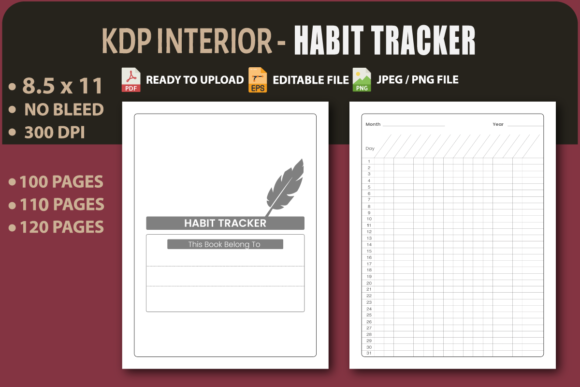
The specification of "No Bleed" is particularly relevant for this type of interior. Logbooks generally keep content within safe margins to ensure no text or lines are trimmed during the binding process. This simplifies the upload process and reduces the risk of rejection due to formatting errors. Furthermore, the availability of multiple file formats extends the utility of the asset:
- PDF: The primary deliverable for immediate upload to Amazon KDP. It serves as the final proof and production file.
- JPEG: Useful for creating marketing mockups, social media previews, or listing images without needing to render 3D covers from scratch.
- Editable AI Files: Perhaps the most valuable component for serious publishers. Adobe Illustrator source files allow for customization, branding adjustments, or layout modifications. This flexibility enables sellers to differentiate their products in a competitive marketplace rather than selling identical assets.
The ability to edit the source file is a significant advantage for long-term business sustainability. Market trends shift, and user feedback often reveals missing fields or desired layout changes. Owning the editable vector files means you can iterate on the Bee Keeper Logbook interior based on real-world performance data without repurchasing new templates or hiring a designer for minor revisions.
Audience Fit and Market Viability
This resource serves two distinct audiences, each with different success metrics. For the apiarist or hobbyist, the value proposition is organization and efficiency. Beekeeping involves expensive equipment and living livestock; poor record-keeping can lead to colony collapse or regulatory non-compliance. A structured logbook mitigates these risks. Users in this demographic appreciate resources that respect the technical nature of their work rather than treating it as a casual pastime.
For the KDP publisher, freelancer, or small business owner, the Bee Keeper Logbook represents a niche entry point. The "low-content" book market is saturated with generic planners, but specialized logbooks face less direct competition. Success in this segment depends on targeting specific keywords and solving actual problems. Because beekeeping is a passionate, equipment-heavy hobby with a steep learning curve, practitioners are often willing to invest in tools that aid their education and management. This makes the niche potentially more lucrative per unit than broader categories.
However, publishers should approach this asset with realistic expectations. While the interior is ready to upload, commercial success still requires keyword research, cover design, and marketing. The interior provides the foundation, but the exterior presentation and metadata strategy determine visibility. The editable AI files are essential here, as they allow publishers to create unique covers and potentially modify the interior to target sub-niches, such as "Urban Beekeeping Logbook" or "Commercial Apiary Records."
Quality Assessment and Limitations
In evaluating the overall quality of the Bee Keeper Logbook interior, several strengths stand out. The consistency of the layout ensures that users can develop muscle memory when recording data, which is vital for fieldwork. The resolution of the provided files meets professional printing standards, ensuring crisp lines and legible text even at the smaller 6x9 size. The inclusion of tested files significantly lowers the barrier to entry for new publishers who may be intimidated by KDP’s strict formatting guidelines.
Despite these strengths, potential users and sellers should be aware of inherent limitations. As a pre-made template, it may not perfectly align with every regional beekeeping practice or individual preference. Some apiarists use specific inspection sheets mandated by local agricultural extensions, which a generic logbook might not replicate. For publishers, this means the editable AI file is not just a bonus but a necessity for adapting the product to specific markets.
Additionally, while the "no bleed" setting is safer for printing, it limits certain aesthetic choices. Designers wanting full-page background graphics or edge-to-edge artistic elements would need to reformat the file extensively. The current configuration prioritizes function and safety over decorative flair, which is appropriate for a working logbook but may limit appeal to buyers seeking a highly stylized journal.
Strategic Recommendations for Implementation
To maximize the value of the Bee Keeper Logbook, whether for personal use or commercial sale, consider the following practical approaches:
- Validate Before Scaling: If using this for KDP, order a physical proof copy before launching. Verify that the writing space is adequate for gloved hands and that the paper weight (standard KDP 55# or 60#) prevents bleed-through if users prefer gel pens or markers.
- Leverage Customization: Use the AI files to add value. Consider adding a reference section at the back of the book with local flora bloom times, swarm management checklists, or conversion charts. These additions transform a commodity interior into a premium resource.
- Focus on Seasonal Timing: Beekeeping is highly seasonal. Marketing efforts or personal purchasing should align with spring buildup and early summer flows. Launching or acquiring this logbook in late autumn may result in missed opportunities for the current cycle.
- Cross-Reference with Regulations: Ensure the fields in the logbook meet any local reporting requirements. If your region requires specific disease reporting, verify the template includes those data points or modify the AI file to include them.
Ultimately, the Bee Keeper Logbook interior functions as a reliable infrastructure for both data management and digital publishing. Its strength lies in its specificity and technical readiness. For the beekeeper, it offers a disciplined approach to hive stewardship. For the entrepreneur, it provides a compliant, customizable foundation for a niche publishing business. By understanding its features, respecting its limitations, and utilizing the editable components strategically, users can derive significant practical and commercial value from this focused resource.