Habit Tracker – KDP Interior: A Practical Resource for Publishers and Personal Growth
Launching a low-content book business on Amazon requires more than just uploading a generic template; it demands understanding what end-users actually need when they open a journal. The Habit Tracker – KDP Interior is designed to bridge the gap between technical publishing requirements and genuine user utility. For entrepreneurs and creators, this resource serves as a foundational asset that eliminates the tedious design phase, allowing you to focus on niche research, keyword optimization, and marketing. Instead of spending dozens of hours aligning grids or testing bleed settings, you gain immediate access to a professionally formatted interior that meets specific KDP standards.
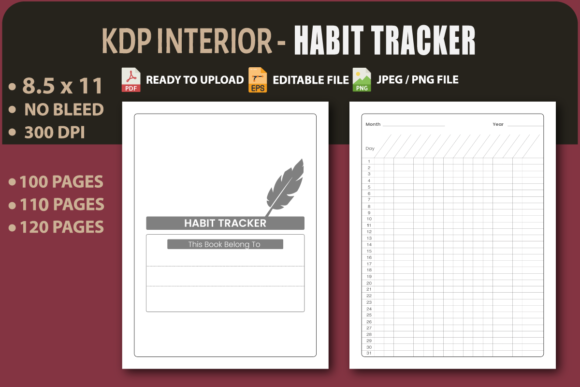
Beyond its commercial application for publishers, this interior addresses a real psychological need for organization. In an era where digital fatigue is rampant, adults aged 20 to 50 are increasingly returning to analog methods for self-improvement. Whether used as a product to sell or a tool for personal accountability, the value lies in its structured yet flexible layout. It transforms the abstract concept of "building better habits" into a tangible, daily practice that fits into a standard 8.5 x 11-inch format, providing ample space for tracking without feeling cluttered.
Accelerating Your KDP Business Workflow
For freelancers, small business owners, and aspiring publishers, time is the most valuable currency. Creating a high-quality habit tracker from scratch involves significant trial and error regarding margins, gutter space, and resolution. This pre-made interior solves those technical hurdles instantly. The files come tested and ready for upload, which drastically reduces the risk of rejection due to formatting errors. When you are managing a portfolio of books, having a reliable, pre-vetted template allows you to scale your output efficiently.
The inclusion of editable AI (Adobe Illustrator) files is particularly significant for marketers and brands. Rather than being stuck with a static design, you can modify headers, add branding elements, or adjust the tracking tables to suit specific sub-niches. For example, if you are targeting fitness enthusiasts, you might rename columns to track water intake or reps. If your audience is students, you could adapt the layout for study hours and assignment completion. This customization capability turns a single purchase into multiple unique products, helping you avoid duplicate content penalties while serving diverse customer segments.
Real-World Applications for Diverse Audiences
Habit tracking is not a one-size-fits-all activity, and neither is the use of this interior. Understanding the specific contexts in which people use these journals helps in creating better products or utilizing them more effectively in daily life.
- Educators and Students: Academic success often hinges on consistency rather than intensity. A large 8.5 x 11 format provides enough room for students to track study blocks, reading goals, and assignment deadlines alongside extracurricular commitments. Educators can also use customized versions to help students build executive function skills, turning the tracker into a teaching aid rather than just a diary.
- Health and Wellness Coaches: Professionals in the wellness space often need physical tools to complement their coaching. Using the editable files, a coach can create branded workbooks for clients that include specific metrics relevant to their program, such as meditation minutes, macro tracking, or sleep quality. This adds tangible value to their service offerings beyond verbal advice.
- Creative Professionals and Freelancers: Creatives often struggle with the unstructured nature of their work. Tracking creative output, administrative tasks, and skill development separately can prevent burnout. The no-bleed specification ensures that even if printed at home for personal use, the layout remains clean and professional, making it easier to maintain discipline during chaotic project cycles.
- Corporate Teams and Managers: While digital tools dominate the office, some teams benefit from shared analog accountability. A manager might print customized trackers for a team working on a specific certification or compliance goal. The large size makes it suitable for desk reference, serving as a constant visual reminder of professional development objectives.
Technical Specifications That Matter for Print Quality
When selecting or using a KDP interior, technical details directly impact the user experience. This Habit Tracker – KDP Interior is configured with specifications that prioritize usability and print safety. The 8.5 x 11-inch dimension is the industry standard for journals because it offers maximum writing space while remaining portable enough for bags and backpacks. Smaller sizes often frustrate users who have larger handwriting or want to track multiple variables per day, leading to abandoned journals and negative reviews.
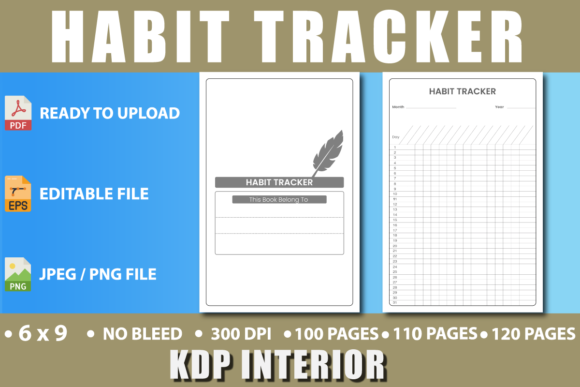
The "No Bleed" setting is a crucial feature for both sellers and personal users. Bleed issues are the most common cause of printing errors and wasted proof copies. By keeping all content within safe margins, this interior ensures that no text or grid lines get trimmed off during the binding process. This reliability builds trust with customers who expect a polished product. Additionally, the availability of 100, 110, and 120-page options allows for strategic pricing and positioning. A 100-page book might serve as a quarterly tracker, while a 120-page version could cover four months, giving you flexibility in how you market the book's lifespan.
Considerations Before Downloading or Publishing
While this resource streamlines production, successful implementation requires thoughtful consideration. Before downloading or purchasing, evaluate your target niche’s specific tracking needs. A generic habit tracker faces stiff competition; success often comes from specificity. Review the editable AI files to ensure you have the necessary software and skills to customize them effectively. If you lack design experience, the PDF version is perfectly adequate for general wellness niches, but the AI files unlock higher-value opportunities for specialized markets.
Also, consider the paper quality implications of the page count. KDP standard color paper is suitable for pencil and ballpoint pen, but heavy marker users may experience bleed-through regardless of the interior design. Being transparent about this in your book description or personal usage notes manages expectations. Furthermore, verify that your customization efforts add genuine value. Simply changing the font isn't enough; the layout must facilitate the specific behavior change your user seeks. The goal is to provide a functional tool that supports long-term habit formation, whether that tool ends up on a bestseller list or on a bedside table.
Maximizing Value Through Customization and Intent
The true power of the Habit Tracker – KDP Interior lies in its adaptability. For the entrepreneur, it represents a reduction in overhead and an acceleration of time-to-market. For the individual, it represents a commitment to self-betterment supported by intentional design. When using the JPEG or PDF files for personal printing, you have the freedom to test different layouts before committing to a published version. This iterative approach mirrors the habit-building process itself: start simple, observe what works, and refine over time.
Ultimately, this interior is a vessel for intention. In a marketplace saturated with low-effort content, providing a well-structured, technically sound, and customizable tracker distinguishes your brand or personal practice. It respects the user's time by removing friction from the tracking process. Whether you are building a passive income stream or building a better version of yourself, starting with a solid foundation ensures that your energy is spent on growth rather than troubleshooting formatting errors. The combination of ready-to-upload convenience and deep customization potential makes this a versatile asset for anyone serious about the intersection of productivity and publishing.