Enhancing Safety and Compliance with the Accident Incident Report Log Book
In today's fast-paced and highly regulated work environments, maintaining a robust safety and compliance system is more critical than ever. The Accident Incident Report Log Book is an essential tool for professionals, creators, entrepreneurs, and businesses looking to document and manage workplace incidents effectively. This article explores the significance of the Accident Incident Report Log Book, its role in broader industry trends, and why it has become a vital component in modern safety management.
Understanding the Accident Incident Report Log Book
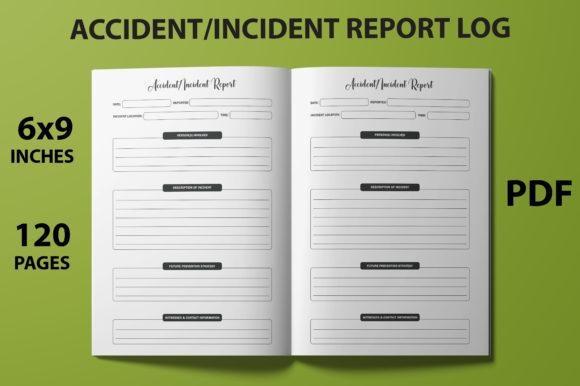
The Accident Incident Report Log Book is a comprehensive and user-friendly document designed to record and track all types of workplace accidents and incidents. It serves as a central repository for detailed information about each event, including the date, time, location, parties involved, and a description of the incident. This log book is not just a simple record-keeping tool; it is a strategic asset that helps organizations identify patterns, address root causes, and implement preventive measures.
Why the Accident Incident Report Log Book Matters
The importance of the Accident Incident Report Log Book cannot be overstated. In a world where regulatory compliance and employee safety are top priorities, having a well-organized and easily accessible log book is crucial. Here are some key reasons why this tool is gaining attention:
- Regulatory Compliance: Many industries are subject to strict safety regulations. The log book helps ensure that all incidents are documented and reported, meeting legal and regulatory requirements.
- Risk Management: By tracking and analyzing incident data, organizations can identify potential hazards and take proactive steps to mitigate risks, thereby reducing the likelihood of future incidents.
- Employee Safety: A well-maintained log book fosters a culture of safety by encouraging transparency and accountability. Employees feel more secure knowing that their concerns and incidents are being addressed.
Changing Needs and Preferences in Safety Management
The evolving landscape of workplace safety and compliance has led to new expectations and workflows. Modern businesses are increasingly focused on creating a safe and healthy work environment, which requires more than just reactive measures. The Accident Incident Report Log Book aligns with these changing needs by providing a structured and systematic approach to incident management.
For example, many companies are now adopting a more holistic view of safety, integrating it into their overall business strategy. The log book supports this approach by offering a clear and consistent method for documenting and reviewing incidents. This, in turn, helps organizations make data-driven decisions and improve their safety protocols continuously.
Practical Examples and Observations
Consider a manufacturing company that recently implemented the Accident Incident Report Log Book. Initially, the company was struggling with sporadic and inconsistent reporting of incidents, leading to a lack of visibility and control over safety issues. After introducing the log book, they noticed a significant improvement in the quality and consistency of incident reports. This change enabled the company to identify recurring problems, such as equipment malfunctions and inadequate training, and take corrective actions promptly.
Another practical example is a construction firm that used the log book to comply with OSHA (Occupational Safety and Health Administration) regulations. By maintaining a detailed and up-to-date log, the firm was able to demonstrate its commitment to safety during inspections, avoiding potential fines and penalties.
Connecting to Larger Developments
The Accident Incident Report Log Book is part of a broader trend towards data-driven decision-making in business. As organizations increasingly rely on data to inform their strategies, tools like the log book play a crucial role in collecting and analyzing safety-related information. This trend is also reflected in the growing use of technology, such as safety management software and mobile apps, to enhance incident reporting and analysis.
Moreover, the log book aligns with the global push for better workplace safety standards. Initiatives like the United Nations' Sustainable Development Goals (SDGs), which include targets for reducing occupational injuries and deaths, underscore the importance of effective safety management. The Accident Incident Report Log Book is a tangible tool that helps organizations contribute to these larger goals.
Key Features and Specifications
The Accident Incident Report Log Book is available in a convenient and professional format, making it easy to integrate into any organization's safety management system. Here are the key features and specifications:
- Dimensions: 6x9 Inches
- Pages: 100, 110, or 120 Pages
- Bleed: No Bleed
- File Format: PDF, ready for Amazon KDP uploading
- Additional Files: PDF, JPG Files
- Interior Only: You need to create your own covers
- High-Resolution Interiors: All are print-ready
These features ensure that the log book is both functional and visually appealing, making it a valuable addition to any safety management toolkit.
Conclusion
The Accident Incident Report Log Book is a powerful tool for enhancing workplace safety and compliance. As businesses adapt to changing needs and preferences, the log book provides a structured and reliable method for incident management. By leveraging this tool, organizations can not only meet regulatory requirements but also foster a safer and more productive work environment. Whether you are a professional, creator, entrepreneur, or business leader, the Accident Incident Report Log Book is an indispensable resource for managing and improving workplace safety.