Integrating This Book Belongs to Coloring Page-3 into Professional KDP Workflows
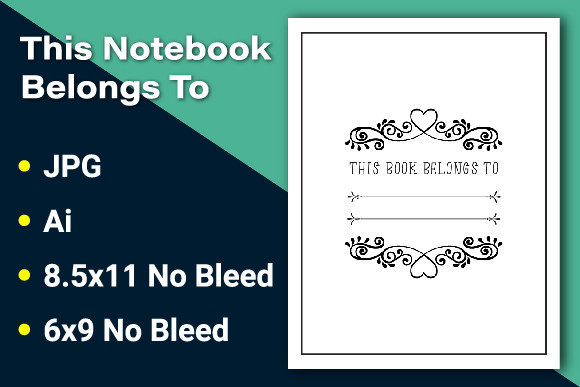
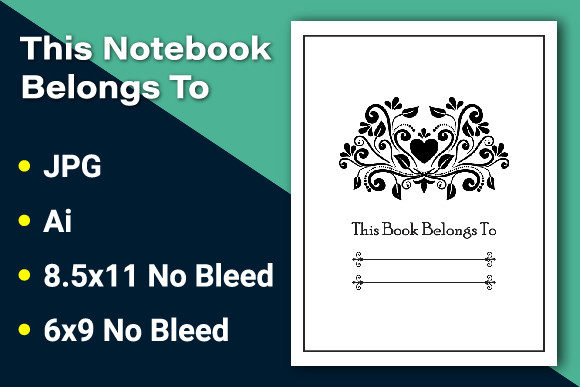
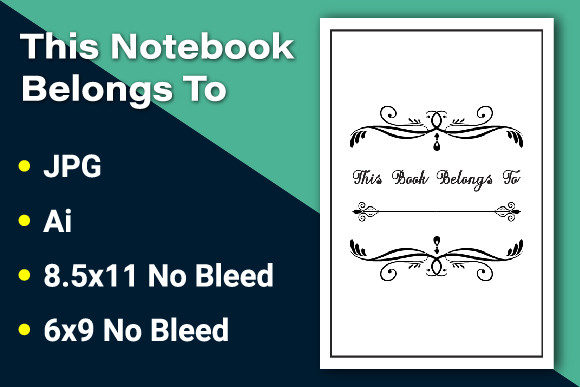
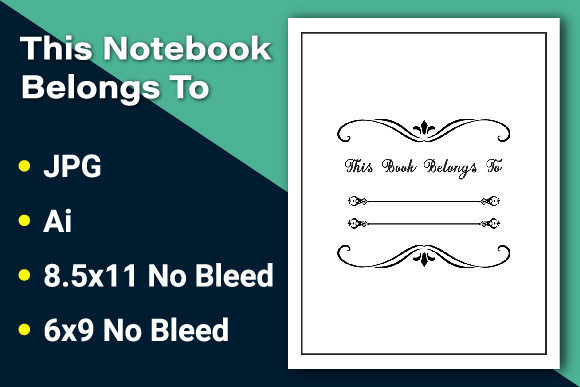
Creating a successful low-content or medium-content book on Amazon KDP requires more than just generating interior pages; it demands a cohesive user experience that begins the moment the customer opens the cover. This Book Belongs to Coloring Page-3 serves as a critical functional asset in this ecosystem, acting as both a ownership marker and an immediate engagement tool. For publishers, educators, and creative entrepreneurs, this specific design element bridges the gap between a generic product and a personalized experience. It is not merely a placeholder but a strategic component of book architecture that establishes tone, encourages interaction, and provides immediate value before the primary content begins.
In the broader scope of digital publishing and print-on-demand workflows, this asset functions as a high-quality front matter solution. While many creators focus exclusively on the complexity of the coloring pages themselves, professional publishers understand that retention and perceived value start with the first impression. By utilizing a non-copyright, ready-to-use design like This Book Belongs to Coloring Page-3, you streamline the pre-production phase while maintaining a standard of quality that satisfies both algorithmic requirements and human expectations. This resource fits seamlessly into workflows involving curriculum planning, gift product creation, and brand-consistent series development.
Strategic Placement in the Publishing Pipeline
The integration of this coloring page occurs at multiple stages of the production lifecycle, influencing decisions made before, during, and after the assembly of the manuscript. Understanding where this asset fits prevents last-minute formatting errors and ensures the final product feels intentional rather than assembled from disparate parts.
Pre-Production and Concept Validation
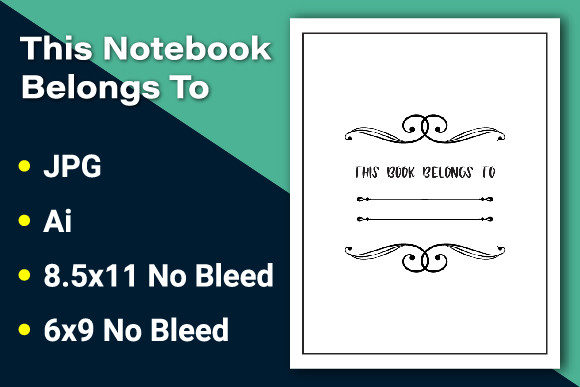
Before laying out a single interior page, publishers must define the interactive level of their book. This Book Belongs to Coloring Page-3 allows for early prototyping. Because the file is available in AI and JPG formats at 300 DPI, you can insert it into mockups during the concept phase to test visual hierarchy. Does the style match the intended demographic? Is the line weight consistent with the rest of the interior? Answering these questions early prevents costly rework later. For educators planning classroom sets or therapists designing workbook interventions, this step confirms that the ownership page aligns with the pedagogical or therapeutic goals of the larger project.
Active Assembly and Layout Integration
During the manuscript compilation phase, this asset serves as a pacing element. In KDP publishing, the first few pages are prime real estate. Placing This Book Belongs to Coloring Page-3 immediately after the title page creates a tactile transition. Unlike a static nameplate, this page invites the user to pick up a pencil or marker instantly. This reduces the friction between purchasing the book and using it. When assembling your PDF, ensure this page is placed on a right-hand recto page if possible, as this mimics traditional publishing standards and enhances the premium feel of the physical product.
Post-Publication and Series Consistency
After publication, this asset becomes a branding anchor. If you are building a series of coloring books, journals, or activity workbooks, maintaining consistency in the front matter builds brand recognition. Using the same high-quality ownership page across multiple titles signals professionalism to repeat customers. For marketers and bloggers promoting these books, this specific page can be featured in "look inside" previews or social media flips to demonstrate that the book offers interactive value from page one, distinguishing it from competitors who use blank or text-only ownership pages.
Technical Specifications and Workflow Compatibility
Efficiency in digital publishing relies heavily on asset compatibility. This Book Belongs to Coloring Page-3 is engineered to minimize technical friction within standard design software and KDP upload requirements.
- Resolution and Print Fidelity: The 300 DPI specification is non-negotiable for print-on-demand. Lower resolution files often result in pixelated lines or gray-scale artifacts when printed. This asset meets the threshold for crisp, clean reproduction on both standard white paper and premium color options, ensuring the user’s first coloring experience is positive.
- Vector Editability (AI Format): The inclusion of an Adobe Illustrator file allows for deep customization without quality loss. Publishers can adjust line thickness to match their interior art style, resize elements to fit different trim sizes, or add specific branding elements like logos or website URLs. This vector capability future-proofs the asset, allowing it to scale from a 6x9 inch journal to an 8.5x11 inch workbook without regeneration.
- Raster Versatility (JPG Format): For users working in Canva, Affinity Publisher, or PowerPoint, the high-resolution JPG provides a drag-and-drop solution. This format maintains the integrity of the design while removing the learning curve associated with vector software, making it accessible for freelancers and small business owners managing tight deadlines.
- Trim Size Adaptation: With native support for both 8.5x11 inch and 6x9 inch formats, this asset eliminates the need for manual resizing or cropping. This preserves the safe zone margins required by KDP, reducing the risk of rejection during the automated review process.
Enhancing User Experience Through Functional Design
The utility of This Book Belongs to Coloring Page-3 extends beyond aesthetics; it solves specific user problems and enhances the overall functionality of the book. For professionals creating products for others, understanding these psychological and practical triggers is essential for product-market fit.
Ownership and Emotional Connection: In educational and therapeutic settings, personalization increases compliance and engagement. When a student or client colors their own name plate, they establish psychological ownership over the material. This simple act transforms a mass-produced commodity into a personal tool, which can improve completion rates for workbooks and journals.
Immediate Value Delivery: Modern consumers expect instant gratification. A blank "This Book Belongs To" line delays satisfaction. A coloring page delivers value immediately. For parents purchasing activity books for travel or waiting rooms, this feature turns dead time into active engagement. Highlighting this feature in your product description or A+ Content can serve as a unique selling proposition.
Skill Assessment and Warm-Up: For artists and hobbyists, the ownership page serves as a low-stakes testing ground. Users can test their markers for bleed-through or practice shading techniques before committing to a complex illustration. This functional aspect protects the user's investment in the main content and demonstrates that the publisher understands the practical realities of coloring.
Implementation Best Practices for Creators
To maximize the effectiveness of this asset, consider the following operational guidelines derived from successful KDP publishing workflows.
- Maintain Margin Safety: Even though the file is pre-sized, always verify your bleed settings. If your book has bleed, ensure the design extends appropriately. If it is non-bleed, keep all critical elements within the safe zone. The provided 8.5x11 and 6x9 templates account for standard margins, but custom trim sizes require manual adjustment in the AI file.
- Paper Type Considerations: If you are publishing on standard KDP white paper, remind users in the book’s introduction or back matter to place a blotter sheet behind this page if using alcohol markers. While the page is designed for general use, proactive guidance enhances the user experience and reduces negative reviews regarding bleed-through.
- Brand Alignment: Use the editable AI file to subtly incorporate your brand’s typography or secondary graphics. If your coloring book features botanical themes, ensure the font used for the "Name" line matches the organic aesthetic. Consistency in micro-details elevates the perceived quality of the entire publication.
- Cross-Promotion Opportunities: The space around the coloring element offers prime real estate for soft marketing. Consider adding a small, unobtrusive URL to your newsletter, author website, or free download page. Because the user is actively engaging with this page, they are more likely to notice and retain this information compared to a standard copyright page.
- Quality Control Checks: Before finalizing your manuscript, print a physical proof specifically to check this page. Screen brightness can be deceptive. Verify that the lines are dark enough to see clearly but light enough to color over comfortably. Ensure the paper texture does not interfere with the design’s legibility.
Optimizing for Long-Term Asset Management
For publishers managing large catalogs or multiple pen names, organization is as important as creativity. Treat This Book Belongs to Coloring Page-3 as a master template asset. Store the original AI and JPG files in a centralized cloud library with clear versioning. Create derivative versions for different niches—perhaps one with playful fonts for kids' books and another with elegant script for adult mindfulness journals. By systematizing the customization process, you reduce the time spent on front matter for each new release, allowing more resources to be allocated to marketing and content creation.
Furthermore, track the performance of books utilizing this specific engagement strategy. Compare sales data and review sentiment against titles that use standard text-only ownership pages. Data-driven iteration is key to refining your publishing workflow. If customers frequently mention the "fun name page" in reviews, you have validated the utility of this asset and should prioritize similar interactive elements in future projects.
Ultimately, the success of a KDP book lies in the details. This Book Belongs to Coloring Page-3 is more than a downloadable file; it is a workflow accelerator and a user experience enhancer. By integrating it thoughtfully into your planning, assembly, and marketing processes, you create a product that stands out in a crowded marketplace. Whether you are a solo creator, an educator, or a publishing house, leveraging high-quality, non-copyright assets allows you to maintain professional standards while focusing your creative energy on what matters most: delivering exceptional content to your audience.